
Prefabricated buildings price per m²
Prefabricated buildings price per m²
In the modern business environment, the speed of project realization, the functionality of buildings, and optimal cost planning have become key factors for the successful development of companies. For this reason, an increasing number of investors are choosing to build prefabricated buildings, which represent a modern, flexible, and economically rational solution for various types of business properties.
Prefabricated buildings today have a wide range of applications – from industry and logistics, to agriculture, as well as commercial and sports facilities. Their popularity is based on quick construction, long-lasting structures, and the ability to fully adapt the building to the investor's needs.
One of the most common questions asked during the planning phase of construction is the cost of a prefabricated building per square meter. Although approximate values are often discussed, it is important to understand that the final investment depends on a large number of factors that are defined during the design phase of the building.
In the following text, we explain the elements that affect the cost of prefabricated buildings, how to properly plan the investment, and why choosing a reliable partner for project realization is crucial.
What are prefabricated buildings, and where are they most commonly used?
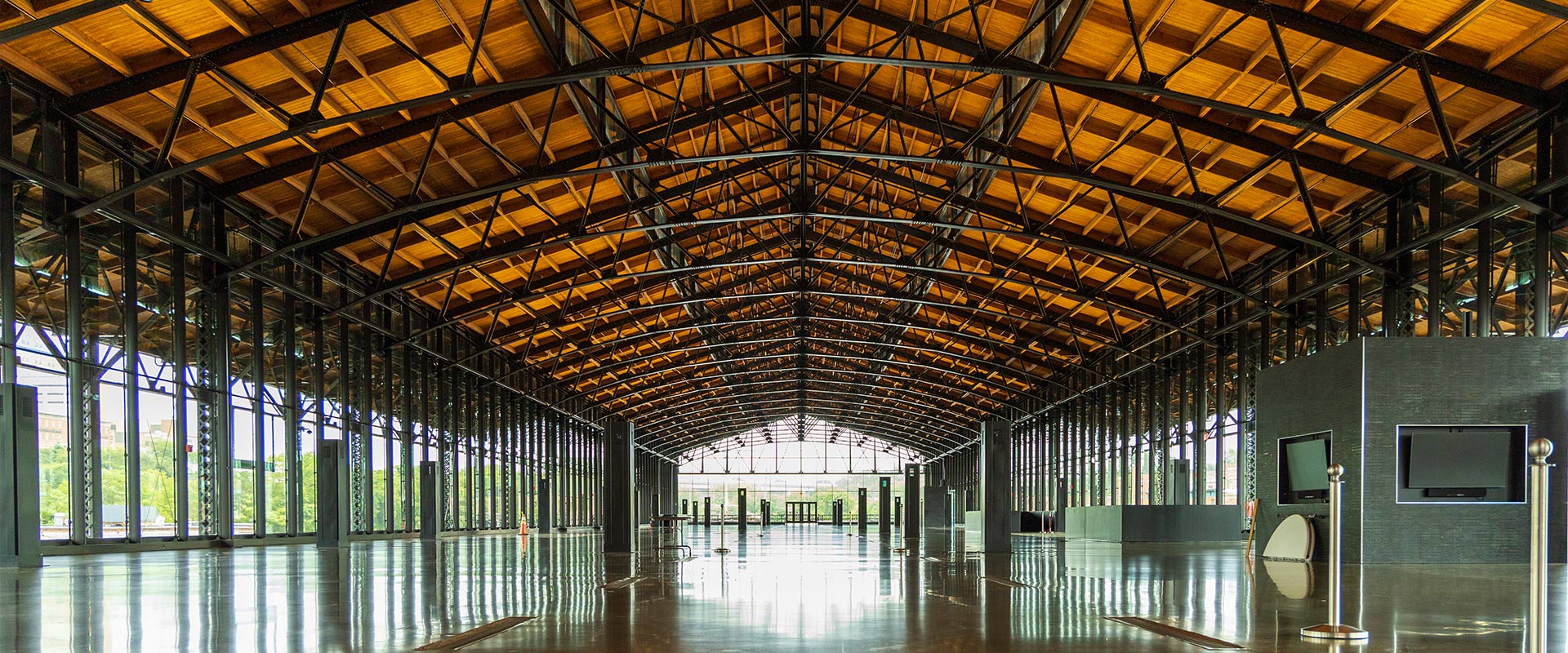
Prefabricated buildings are structures whose construction consists of prefabricated elements produced in controlled conditions, which are then transported to the site for assembly. The foundation of these buildings is made of a steel structure that ensures stability, load-bearing capacity, and long service life.
The building structure is typically clad with sheet metal or modern sandwich panels that provide good thermal insulation and protection against external factors.
Thanks to their construction and design flexibility, prefabricated buildings can have very diverse uses. They are most commonly used as:
- Industrial halls
- Manufacturing plants
- Storage facilities
- Logistics centers
- Agricultural buildings
- Sports halls
- Commercial buildings
One of the great advantages of these buildings is the ability to design large spans without internal columns, which allows for a maximally functional and open space that can be adapted to various business processes.
It is precisely because of these characteristics that prefabricated buildings are one of the most sought-after solutions in modern construction today.
Cost of prefabricated buildings per m² – what factors influence the investment?
When it comes to investing in a prefabricated building, the parameter of price per square meter is often used, helping investors get a basic idea of the investment amount. However, it is important to emphasize that there is no universal price that applies to all buildings.
Each prefabricated building is a unique project designed according to the specific needs of the investor. Therefore, the final price is determined only after a detailed technical analysis and defining all the elements of the building.
The cost of construction can vary depending on the complexity of the structure, the size of the building, the choice of materials, and any additional equipment installed in the building.
In other words, the price per square meter is only a starting point for estimating the investment, while the precise value of the project is determined through the design and planning process.
Factors that affect the cost of prefabricated buildings
The total investment in the construction of a prefabricated building is influenced by several technical and structural factors. Understanding these elements helps investors to properly plan the project and make optimal decisions during the design phase.
Dimensions and height of the building
The surface area of the building is the basic factor affecting the cost of construction. However, besides the surface area, the height of the building is also important, as larger buildings require a more robust structure and additional static calculations.
Larger buildings often allow for more rational space organization but can also require more complex structural solutions.
Type of steel structure
The steel structure is the foundation of every prefabricated building. Its complexity depends on the purpose of the building, the span of the structure, and the load it must withstand.
Industrial halls with crane tracks, specific manufacturing processes, or additional equipment require a stronger structure and more detailed static calculations.
Insulation and cladding materials
The choice of materials for cladding the building has a significant impact on the project cost, but also on the functionality of the building.
Buildings designed for simple storage often use metal cladding without thermal insulation. On the other hand, halls where manufacturing takes place or where employees work usually require good thermal insulation, typically achieved with the use of sandwich panels.
This solution allows for stable temperature conditions inside the building and contributes to energy efficiency.
Additional equipment and installations
The functionality of a prefabricated building is often enhanced by the installation of various technical systems and equipment.
These can include:
- Industrial doors and gates
- Windows and skylights
- Ventilation systems
- Electrical installations
- Fire protection systems
- Crane tracks
Each of these elements increases the functionality of the building but also affects the total investment.
Therefore, it is very important to clearly define the purpose of the building and all technical requirements that the building must meet during the design phase.
Advantages of prefabricated buildings over traditional construction
In recent years, prefabricated buildings have become a standard solution in many industrial sectors due to their numerous advantages over traditional construction.
One of the most important advantages is the significantly shorter construction time. Thanks to the prefabricated structure, much of the work is done in the production phase, while at the construction site, the elements are assembled, greatly speeding up project realization.
In addition, steel structures allow for large spans without internal columns, resulting in an open and functional space that is ideal for industrial and logistics activities.
Another important characteristic of prefabricated buildings is their flexibility. The buildings can be relatively easily expanded, upgraded, or adapted to new business needs.
Due to these advantages, prefabricated buildings today represent one of the most efficient and rational solutions for constructing modern business facilities.
Why choose Royal Steel Structures?
Building a prefabricated building represents a significant investment, which is why selecting a reliable company for project realization is of utmost importance. The quality of the design, precision of the structure fabrication, and professional assembly are key factors that affect the durability and safety of the building.
Royal Steel Structures specializes in the design, production, and assembly of steel structures for various purposes. Our long-standing experience in this field has allowed our team to develop efficient workflows and a high level of technical expertise.
One of the greatest advantages of working with our company is the comprehensive service we provide to our clients. We offer support throughout the entire project realization process – from conceptual design and planning, to structure production, transportation, and assembly on-site.
Our expert team consists of engineers, designers, and technicians with extensive experience in carrying out various projects. Each project is thoroughly analyzed to find the optimal structural solution that will meet all technical and functional requirements of the investor.
We place special emphasis on the quality of materials and precision in fabrication, as we believe that only a high-quality structure can ensure the longevity and safety of the building.
Whether it's industrial halls, warehouses, manufacturing plants, or other types of prefabricated buildings, our goal is to provide our clients with a reliable, functional, and long-term sustainable solution.
How to contact us?
If you have questions for us or are interested in additional information related to our services, please contact us via the CONTACT page or phone number +381 69 18 27 540